Building a remote team is easy. Scaling one without losing your mind—or your data—is the hard part.
As a team that has spent a decade in the trenches of the “Workforce Analytics” world at CurrentWare, we’ve seen the same pattern repeat: companies transition to remote work, they nail down their communication (Slack), they secure their perimeter (VPNs), and then they hit a wall.
That wall is Operational Friction. When your team is distributed across time zones, you can’t just tap someone on the shoulder to ask for a file or a quick design update. You need a “Stack” that works while you sleep. Here are the essential categories every high-performing remote team needs to master in 2026.
1. The Security & Visibility Foundation
Before you worry about “output,” you have to worry about “integrity.” In a remote environment, the “Insider Threat” is your biggest risk. It’s not usually malicious; it’s accidental. A file shared to a public link or an unencrypted USB drive can end a company.
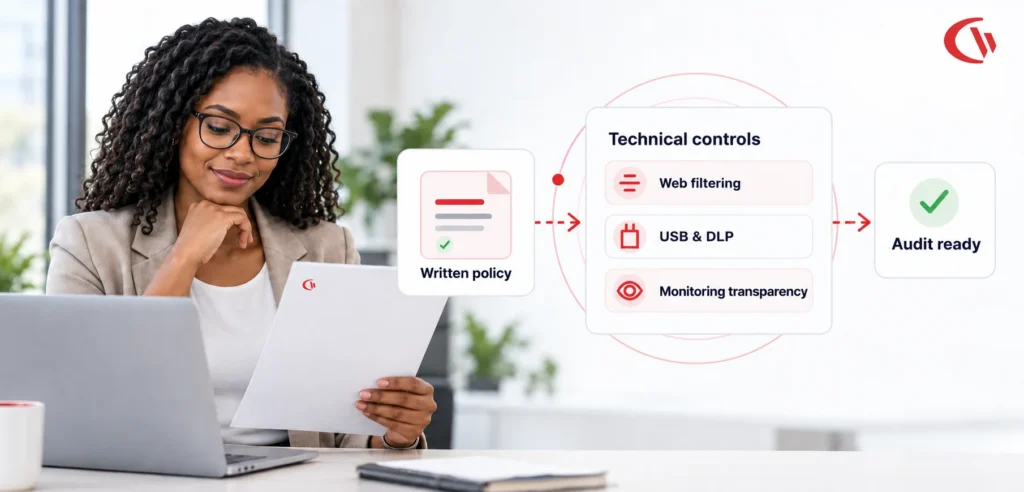
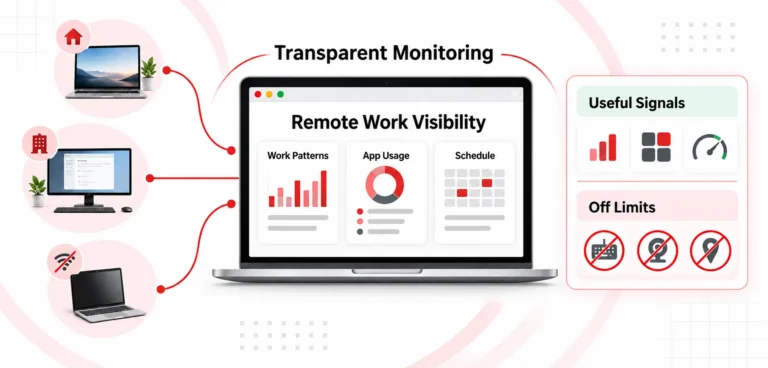
Smart teams use a combination of on-premise insider threat detection and real-time activity monitoring. This isn’t about “spying”—it’s about creating a safety net for your data so your remote employees can work with total freedom, knowing the system will flag a mistake before it becomes a breach.
2. Creative & Visual Content Resources
In the remote world, your digital presence is your office. Whether you are running a SaaS company or an e-commerce giant, your marketing team is likely working around the clock on visual assets.
One of the biggest bottlenecks we see in remote creative teams is the “small task” pile-up. High-level designers shouldn’t be spending four hours a day removing backgrounds from product photos. To keep the workflow moving, top-tier teams outsource technical production tasks like a clipping path to specialized experts. This allows your in-house talent to focus on high-level strategy and brand vision while the repetitive, technical visual work is handled efficiently in the background. For startups and lean remote teams, brand creation can also slow momentum. That’s where tools like Design.com come in. A modern logo maker empowers founders, marketers, and non-designers to create professional-quality logos in minutes—without waiting on a full design cycle
3. Professional Email & Outreach Infrastructure
You can’t build a world-class remote brand using generic @gmail addresses or shaky email servers. Email remains the “Primary Key” of business identity. For remote teams, your email infrastructure needs to be two things: Scalable and Secure.
Whether you are using a professional suite like Titan for day-to-day business comms or a delivery tool like Mailtrap to test your app’s transactional emails, the goal is the same: professional consistency. When your team is distributed, having a unified, reliable email system ensures that your outreach never hits the spam folder and your internal communications remain encrypted and professional.
Utilizing a professional spf record generator is a critical first step in this process, as it authorizes your mail servers and protects your domain’s reputation from the start. What is more, your team can browse b2b contact databases with the help of tools like SignalHire, Hunter, or Uplead to collect the right contact information and therefore improve the outreach campaign.
4. Productivity & Workflow Intelligence
The old way of measuring remote work was “hours logged.” The 2026 way is “Workflow Efficiency.”
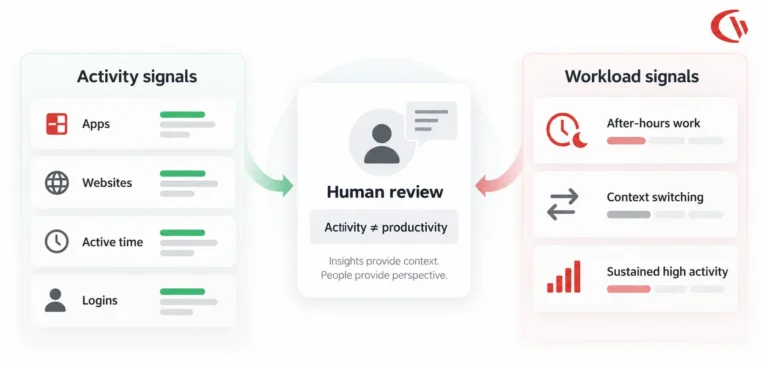
We’ve found that the most successful distributed teams don’t care how many hours someone sits at their desk. They care about how those hours are spent. Using privacy-respecting productivity analytics, managers can identify if a team is struggling with “meeting fatigue” or if they are spending too much time in redundant software.
What is more, consider delegating tasks to other teams, beyond your remote team. For instance, if your business gets thousands of orders and customers reach out to your business with questions and concerns, it could be beneficial to rely on customer support outsourcing where professionals can deal with inquiries and your team members become more focused on their tasks. Similarly, for teams looking to automate their outbound growth, asking What Is AI SDR? can lead to discovering how autonomous agents can handle
5. Communication & Async Collaboration
If your remote team is “always on,” they are on the path to burnout. The best “Resources” for remote teams aren’t just apps; they are philosophies.
- Asynchronous-First: Move status updates to a shared doc or a tool like Loom.
- Centralized Documentation: If it isn’t in the “Wiki” (Notion, Guru, etc.), it doesn’t exist.
The Bottom Line
A great remote stack isn’t just a collection of expensive subscriptions. It’s a balanced ecosystem. You need the Security to protect your IP, the Analytics to prevent burnout, and the Niche Services to offload technical hurdles so your team can focus on what they were actually hired to do.