★★★★★
Capterra · Nov 2023
BC is terrific.
“BC is fast and easy to deploy on different platforms.
I also love the fact that it is open source and compatible with devices.
The support team is incredible and responsive.
The hardware is fast with up to date robust features.”
PK
Pauline K
Human Resources Manager
Information technology and services · 11-50 employees
★★★★★
Capterra · Nov 2023
Enhancing Security and Productivity with BrowseControl
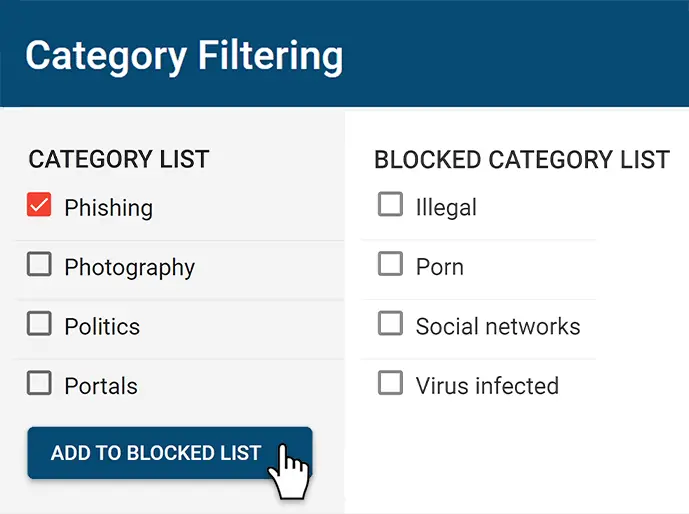
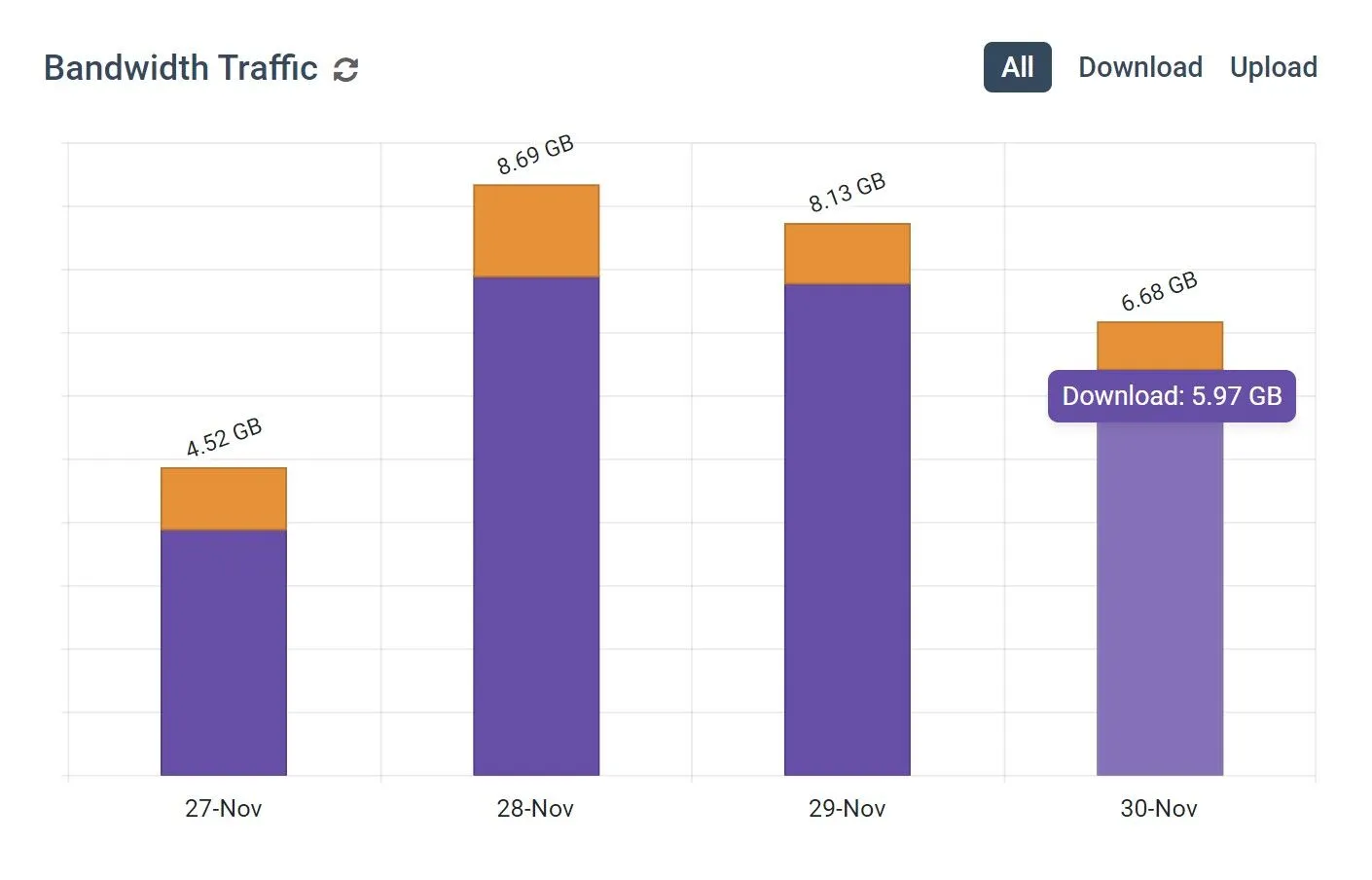
“BrowseControl has been a great tool for our organisation due to the enhanced security that it provides because of which we are protected from the phishing, the online threats by blocking access to potentially harmful websites. We can prioritise business-critical applications and control the bandwidth usage, which ensures that essential tasks are not affected by excessive non-work-related web traffic. The tool is very user-friendly and the filtering rules are highly customisable which is something that I really like.”
VR
Verified Reviewer
Not Displayed
Insurance · 5001-10000 employees
★★★★☆
Capterra · Aug 2023
Threat free browsing environment facilitation tool
“The cyber attack response automated system safeguards our data from malware attacks. BrowseControl provides real-time insights on security situation from workloads. It has simple configuration procedure with other applications that saves time and resources for entire implementation process.”
JR
James R
Marketing Specialist
Marketing and advertising · 11-50 employees
★★★★☆
Capterra · Aug 2023
Powerful network security control application
“It prevents members in the organization from visiting vulnerable areas in the internet. Browse control tests authenticity of browsers before operations. It provides alerts when there are data threats that can affect workflows.”
BH
Bryson H
Data Engineer
Financial services · 5001-10000 employees
★★★★★
Capterra · Jul 2023
Effective Web Access Management Solutions To Ensure Productive Internet Usage
“By limiting access to potentially risky or malicious websites, it can help improve network security and lower the risk of cyberattacks. Even during times of high usage, it guarantees a seamless browsing experience for all users. We can achieve a balance between online activities and other significant factors by imposing time limits on internet use.”
SC
Sakshi C
Software Developer
Information technology and services · 51-200 employees
★★★★★
Capterra · Jul 2023
Total control access
“I really admire that BrowseControl limits the access of unwanted websites and apps which protects our systems from unwarranted cyber attacks.”
RN
Rick N
Area President
Food and beverages · More than 10000 employees
★★★★★
Capterra · Jul 2023
Prevent From Accessing Non-Work-Related Websites And Enhance Productivity
“It includes thorough web filtering capabilities that let administrators limit and control who can access which websites based on categories, URLs, keywords, or time constraints. Administrators can use the tool to set up unique browsing guidelines for various user groups or organizational departments. It offers in-depth reports and real-time tracking of web browsing behavior.”
AS
Akash S
Senior Business Development Manager
Information technology and services · 51-200 employees
★★★★☆
Capterra · Jun 2023
An effective web filtering solution!
“I recently started using BrowseControl to better manage my team's web browsing and it has been a godsend. The software is very user friendly, allowing me to easily customize internet restriction policies for each user or department with granular control. It also allows me to block websites based on URLs and categories which is great for controlling the content my team can access.”
EM
Emma M
Business Development Specialist
Computer software · 1001-5000 employees
★★★★☆
Capterra · Jun 2023
A great web filtering solution!
“I recently switched to BrowseControl for our company's web filtering and I couldn't be happier. The set up process was fast and easy, the features are comprehensive, and the support team is always available to help with any issues we have. Plus, it's a great value for the money since they offer competitive packages that meet our needs.”
EW
Evana W
Sales And Marketing Associate
Information technology and services · More than 10000 employees
★★★★★
Capterra · May 2023
All-Inclusive Platform To Limit Access To Dangerous Websites
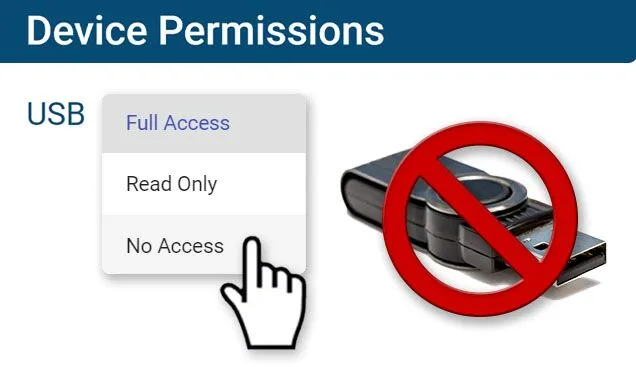
“It is an all-inclusive platform for managing the organization's devices, security, and network. It can be set up to permit or prohibit Internet access at different times and devices. The detailed reports are incredibly helpful, and the setup is fairly simple. Both updating client settings and importing settings from an older client into a new client are simple processes.”
RK
Rahul K
Full Stack Developer
Information technology and services · 51-200 employees
★★★★★
Capterra · May 2023
Controlled Internet Access And Help To Focus on What Matters
“It enables businesses to impose time limits on web browsing, avoiding excessive use of the internet for personal use. Businesses can optimize bandwidth usage and guarantee that key apps have enough resources by regulating web browsing. It gives businesses information about how their workers use the internet, enabling them to see and resolve any issues with abuse or compliance. Businesses might design specialized online usage guidelines based on their own requirements and demands.”
DS
Diksha S
Business Development Manager
Information technology and services · 51-200 employees
★★★★★
Capterra · May 2023
Manage Network security and internet usage with BrowseControl!
“We're using BrowseControl to monitor and control internet usage of all employees real-time allowing my team to keep track of their activities, monitor bandwidth usage and alerts for any suspicious activities that happens internally.”
EP
Emmylou P
IT Manaer
Telecommunications · 1001-5000 employees